What is a Pre-College Program?
SaveWhether you're thinking about a program that will dive deep into your intended major, pursuing something that focuses on helping you build skills outside academics, or a hybrid of both, a pre-college program could be the steppingstone that leads you to your dream school.

When high school students start thinking about college life, the next chapter might feel like an overwhelming adventure. You've heard about what to expect, of course, but you don't really know for sure. You may have friends going to all different colleges, too, which can change the overall experience. For students looking to get a better idea of what stepping into campus life may look like, welcome to the world of pre-college programs. These programs are designed to bridge the gap between high school and college life, and they're becoming increasingly popular. Some precollege programs might even put you on an inside track to acceptance at the hosting institution.
So, what exactly is a pre-college program? Imagine this scenario: you're a high school junior or senior, and the thought of going to college is starting to feel like more of a reality. You might be feeling a mix of excitement and anxiety. College life takes on many forms, and what's right for one person may not be right for another. It's not uncommon to wonder if you're ready for the transition or how to prepare for the transition. A pre-college program can directly address these concerns.
These programs take a variety of forms. Some are more academically based, and allow students to take college-level courses while still in high school. Think of it like a taste test of college-level coursework. You'll spend time in the program diving into subjects you're passionate about, but in a smaller and more supportive environment. Some of these programs might allow you to earn college credit in the process, which can be money off your overall tuition costs. This will not only enhance your college applications, but it can also give you a leg up when you arrive on campus.
Beyond academics alone, there are pre-college programs focused on other aspects of the college experience. Some programs emphasize social skills, time management, and independence. These programs help students adapt to what life at college will be like—navigating the cafeteria, time management with a hectic schedule, or even learning life skills like doing laundry for the first time. We've all heard of the term "adulting." A pre-college program can make that transition a little smoother.
You might be surprised to learn that these programs aren't just for your typical college-bound student. They're also fantastic for those who may be unsure about what they want to study or if college is the right fit. It can be an exploration phase. Many programs offer workshops or courses in various majors, from art to engineering, giving students a glimpse into potential career paths. Trying out something new might help you to find an interest or passion you didn't know you had.
Let's discuss another aspect-networking. You see, when you join a pre-college program, you're not just learning. These programs will allow you to meet peers who are in the same boat as you. This can lead to new friendships and invaluable connections for anything from college projects, internship opportunities, and even professional networking later. Networking and community building is everything while college and after college. Starting early can be a huge advantage.
So, how do you find the right pre-college program? It might feel a bit daunting with all the options available. Start by thinking about your interests and goals. Are you leaning towards a specific field of study, or are you still figuring things out? Do you have a couple schools you could see yourself attending and aren't sure which one would be the best fit? Your answers can guide your search. Universities often offer summer programs, while community colleges, for example, might have workshops or courses. There are also online programs, which have become more popular-especially if you're looking for flexibility. While program quality is important, consider how the program fits into your schedule and lifestyle. You want to ensure it's a great fit for your needs. If a program feels too intense, it might overwhelm you rather than prepare you.
Don't forget the financial side of things. Some fly-in programs are more prestigious universities are free of charge for invited students. On the other hand, some pre-college programs offer scholarships or reduced rates based on financial need. Be sure to explore these options because they can make participating in these programs much more accessible. Think about whether the program provides any financial aid information for students who are worried about college expenses down the line. It's all part of the larger picture as you transition from high school into college life.
Now, I know you might be wondering about the experience itself. Pre-college programs might have you waking up early for breakfast, heading to campus (or logging in if it's online), and settling in among a community of other students. You'll attend lectures given by actual college professors. You'll also have assignments, but they're designed to push you while still being manageable. You might even have access to campus facilities like libraries, labs, and recreational areas.
At precollege programs, professors and instructors often provide constructive criticism that can really help you grow — especially if the program helps you to take time to write your essays. Feedback is a great opportunity for personal and academic development before you even officially step onto campus as a college student. You learn how to take that feedback and apply it, a skill that will be immensely valuable in your college years and beyond.
Some programs might have a capstone project at the end, allowing you to showcase what you've learned. This will not only boost your academic confidence but can also provide a tangible piece of work that you can discuss in college interviews or personal statements. It's a nice way to end the program. It gives you a sense of accomplishment that can be vital in your academic journey.
After attending a pre-college program, you may feel more prepared for the transition to college life. You might also find that you've gained a better understanding of time management, study skills, and even the importance of self-advocacy in an academic setting. When you finally start the first semester in college, it will likely feel less daunting. You've already learned how to navigate the campus environment and even made friends along the way.
When transitioning back to high school after a pre-college program, your application deadlines will likely be fast approaching. Having a pre-college program on your resume can make you stand out among other applicants, and even provide you an inside track to acceptance at the hosting school. Attending a precollege program shows that you're proactive about your education, willing to take initiative, and serious about your future. Plus, it can also serve as a great talking point in your personal statement or college interviews. Admissions officers appreciate students who go above and beyond to prepare themselves for college life.
As you're weighing the pros and cons of various pre-college programs, make sure to ask questions. Talk to alumni or current participants. What did they learn? What challenges did they face? What would they have done differently? Getting firsthand accounts can significantly help in your decision-making process. A pre-college program isn't just about the academic side. It can also help you to discover things about yourself, for example, what motivates you, what your strengths are, and what areas you might need to improve. College is a time for transformation, and starting this process early can lay a solid foundation for your future.
Remember: precollege programs can significantly vary in duration, costs, and depth of experience. Some might last just a couple of weeks during the summer, while others might involve several months or even the entirety of the academic year of commitment. Your choice will depend on your availability, financial considerations, and what you hope to achieve.
Pre-college programs can be valuable investment of time that provide you the experience of campus life. They prepare you both academically and socially, while introducing you to a new environment and easing you into the responsibility that college life demands. Ultimately, they're a fantastic way to begin your college journey and prepare you for what comes next. Whether you're thinking about a program that will dive deep into your intended major, pursuing something that focuses on helping you build skills outside academics, or a hybrid of both, weigh your options carefully. A pre-college program could be the steppingstone that leads you to your dream school.
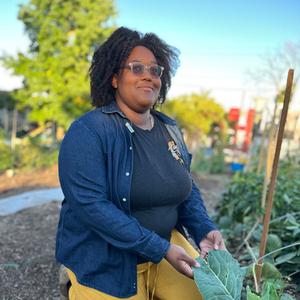
Justina Thompson
Justina "Farmer J" Thompson is the Farm Education and Volunteer Manager at Urban Creators, Philadelphia, PA. Justina intentionally attended school in Philadelphia so she could “connect her passion and experience to the ongoing environmental justice work in the area.” As a speaker, educational curriculum designer, program leader, and community organizer, Justina possesses extensive knowledge on urban farming inspired to work in the field of environmental justice from a young age.Articles & Advice
Featured Articles from The SAGE Scholars Benefit

10 Ways to Afford the College You Love

The Five Principles of Financial Literacy
