Electro-Mechanical and Mechatronics Technologists and Technicians
Overview
SaveJob Zone Three: Medium Preparation Needed
Experience
Previous work-related skill, knowledge, or experience is required for these occupations. For example, an electrician must have completed three or four years of apprenticeship or several years of vocational training, and often must have passed a licensing exam, in order to perform the job.
Education
Most occupations in this zone require training in vocational schools, related on-the-job experience, or an associate's degree.
Job Training
Employees in these occupations usually need one or two years of training involving both on-the-job experience and informal training with experienced workers. A recognized apprenticeship program may be associated with these occupations.
Examples
These occupations usually involve using communication and organizational skills to coordinate, supervise, manage, or train others to accomplish goals. Examples include hydroelectric production managers, desktop publishers, electricians, agricultural technicians, barbers, court reporters and simultaneous captioners, and medical assistants.
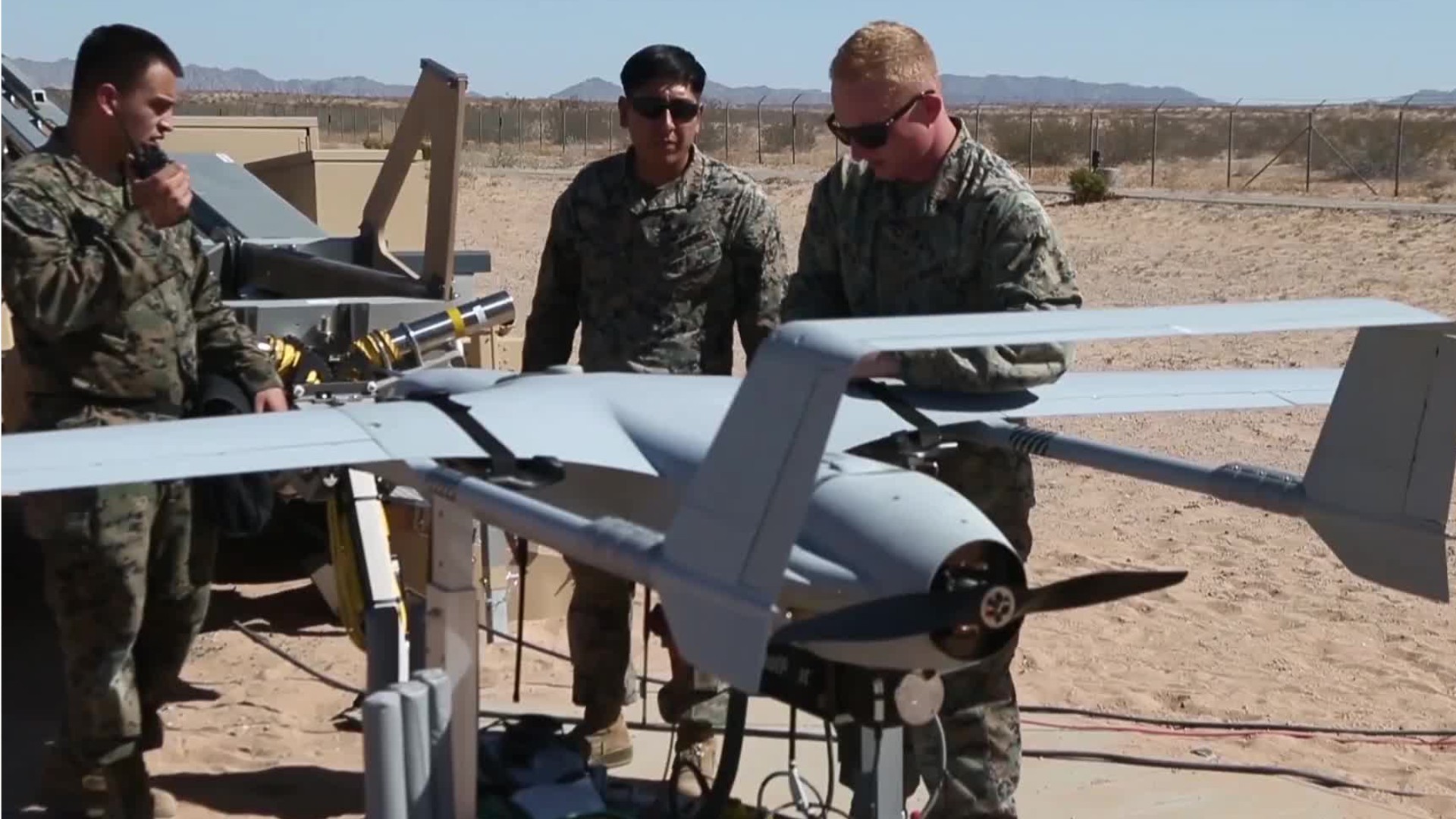
Operate, test, maintain, or adjust unmanned, automated, servomechanical, or electromechanical equipment. May operate unmanned submarines, aircraft, or other equipment to observe or record visual information at sites such as oil rigs, crop fields, buildings, or for similar infrastructure, deep ocean exploration, or hazardous waste removal. May assist engineers in testing and designing robotics equipment.
Yearly Salary
| High: | $95K |
| Median: | $59K |
| Low: | $37K |
Demand

Core Tasks
- Develop, test, or program new robots.
- Install or program computer hardware or machine or instrumentation software in microprocessor-based systems.
- Test performance of electromechanical assemblies, using test instruments such as oscilloscopes, electronic voltmeters, or bridges.
- Modify, maintain, or repair electrical, electronic, or mechanical components, equipment, or systems to ensure proper functioning.
- Read blueprints, schematics, diagrams, or technical orders to determine methods and sequences of assembly.
- Prepare written documentation of electromechanical test results.
- Inspect parts for surface defects.
- Install electrical or electronic parts and hardware in housings or assemblies, using soldering equipment and hand tools.
- Verify part dimensions or clearances to ensure conformance to specifications, using precision measuring instruments.
- Repair, rework, or calibrate hydraulic or pneumatic assemblies or systems to meet operational specifications or tolerances.
- Align, fit, or assemble component parts, using hand or power tools, fixtures, templates, or microscopes.
- Fabricate or assemble mechanical, electrical, or electronic components or assemblies.
- Select and use laboratory, operational, or diagnostic techniques or test equipment to assess electromechanical circuits, equipment, processes, systems, or subsystems.
- Operate, test, or maintain robotic equipment used for green production applications, such as waste-to-energy conversion systems, minimization of material waste, or replacement of human operators in dangerous work environments.
- Produce electrical, electronic, or mechanical drawings or other related documents or graphics necessary for electromechanical design, using computer-aided design (CAD) software.
- Determine whether selected electromechanical components comply with environmental standards and regulations.
- Develop or implement programs related to the environmental impact of engineering activities.
- Select electromechanical equipment, materials, components, or systems to meet functional specifications.
- Train others to install, use, or maintain robots.
- Establish and maintain inventory, records, or documentation systems.
- Analyze engineering designs of logic or digital circuitry, motor controls, instrumentation, or data acquisition for implementation into new or existing automated, servomechanical, or other electromechanical systems.
- Conduct statistical studies to analyze or compare production costs for sustainable and nonsustainable designs.
- Specify, coordinate, or conduct quality-control or quality-assurance programs and procedures.
- Operate metalworking machines to fabricate housings, jigs, fittings, or fixtures.
- Translate electromechanical drawings into design specifications, applying principles of engineering, thermal or fluid sciences, mathematics, or statistics.
- Identify energy-conserving production or fabrication methods, such as by bending metal rather than cutting and welding or casting metal.
Technology Skills
Technology
Example
Hot Technology
Tools Used
Tool
Example
Top 10 Knowledge Required
Computers and Electronics
82%
Knowledge of circuit boards, processors, chips, electronic equipment, and computer hardware and software, including applications and programming.
Mechanical
75%
Knowledge of machines and tools, including their designs, uses, repair, and maintenance.
Engineering and Technology
73%
Knowledge of the practical application of engineering science and technology. This includes applying principles, techniques, procedures, and equipment to the design and production of various goods and services.
English Language
64%
Knowledge of the structure and content of the English language including the meaning and spelling of words, and rules of composition and grammar.
Mathematics
63%
Knowledge of arithmetic, algebra, geometry, calculus, statistics, and their applications.
Production and Processing
63%
Knowledge of raw materials, production processes, quality control, costs, and other techniques for maximizing the effective manufacture and distribution of goods.
Design
57%
Knowledge of design techniques, tools, and principles involved in production of precision technical plans, blueprints, drawings, and models.
Telecommunications
55%
Knowledge of transmission, broadcasting, switching, control, and operation of telecommunications systems.
Physics
53%
Knowledge and prediction of physical principles, laws, their interrelationships, and applications to understanding fluid, material, and atmospheric dynamics, and mechanical, electrical, atomic and sub-atomic structures and processes.
Education and Training
50%
Knowledge of principles and methods for curriculum and training design, teaching and instruction for individuals and groups, and the measurement of training effects.
Top 10 Skills
Operations Monitoring
80%
Watching gauges, dials, or other indicators to make sure a machine is working properly.
Troubleshooting
78%
Determining causes of operating errors and deciding what to do about it.
Monitoring
75%
Monitoring/Assessing performance of yourself, other individuals, or organizations to make improvements or take corrective action.
Repairing
75%
Repairing machines or systems using the needed tools.
Critical Thinking
73%
Using logic and reasoning to identify the strengths and weaknesses of alternative solutions, conclusions, or approaches to problems.
Quality Control Analysis
73%
Conducting tests and inspections of products, services, or processes to evaluate quality or performance.
Operation and Control
70%
Controlling operations of equipment or systems.
Judgment and Decision Making
68%
Considering the relative costs and benefits of potential actions to choose the most appropriate one.
Complex Problem Solving
65%
Identifying complex problems and reviewing related information to develop and evaluate options and implement solutions.
Reading Comprehension
65%
Understanding written sentences and paragraphs in work-related documents.
Top 10 Abilities
Control Precision
80%
The ability to quickly and repeatedly adjust the controls of a machine or a vehicle to exact positions.
Near Vision
78%
The ability to see details at close range (within a few feet of the observer).
Arm-Hand Steadiness
75%
The ability to keep your hand and arm steady while moving your arm or while holding your arm and hand in one position.
Deductive Reasoning
75%
The ability to apply general rules to specific problems to produce answers that make sense.
Finger Dexterity
75%
The ability to make precisely coordinated movements of the fingers of one or both hands to grasp, manipulate, or assemble very small objects.
Inductive Reasoning
75%
The ability to combine pieces of information to form general rules or conclusions (includes finding a relationship among seemingly unrelated events).
Information Ordering
75%
The ability to arrange things or actions in a certain order or pattern according to a specific rule or set of rules (e.g., patterns of numbers, letters, words, pictures, mathematical operations).
Problem Sensitivity
75%
The ability to tell when something is wrong or is likely to go wrong. It does not involve solving the problem, only recognizing that there is a problem.
Far Vision
70%
The ability to see details at a distance.
Manual Dexterity
70%
The ability to quickly move your hand, your hand together with your arm, or your two hands to grasp, manipulate, or assemble objects.
Top 10 Work Activities
Working with Computers
86%
Using computers and computer systems (including hardware and software) to program, write software, set up functions, enter data, or process information.
Repairing and Maintaining Electronic Equipment
85%
Servicing, repairing, calibrating, regulating, fine-tuning, or testing machines, devices, and equipment that operate primarily on the basis of electrical or electronic (not mechanical) principles.
Communicating with Supervisors, Peers, or Subordinates
83%
Providing information to supervisors, co-workers, and subordinates by telephone, in written form, e-mail, or in person.
Documenting/Recording Information
83%
Entering, transcribing, recording, storing, or maintaining information in written or electronic/magnetic form.
Monitoring Processes, Materials, or Surroundings
82%
Monitoring and reviewing information from materials, events, or the environment, to detect or assess problems.
Controlling Machines and Processes
81%
Using either control mechanisms or direct physical activity to operate machines or processes (not including computers or vehicles).
Inspecting Equipment, Structures, or Materials
79%
Inspecting equipment, structures, or materials to identify the cause of errors or other problems or defects.
Making Decisions and Solving Problems
79%
Analyzing information and evaluating results to choose the best solution and solve problems.
Getting Information
78%
Observing, receiving, and otherwise obtaining information from all relevant sources.
Evaluating Information to Determine Compliance with Standards
76%
Using relevant information and individual judgment to determine whether events or processes comply with laws, regulations, or standards.
Detailed Work Activities
- Test performance of electrical, electronic, mechanical, or integrated systems or equipment.
- Develop software or computer applications.
- Review technical documents to plan work.
- Design electromechanical equipment or systems.
- Maintain electromechanical equipment.
- Maintain electronic equipment.
- Inspect finished products to locate flaws.
- Install instrumentation or electronic equipment or systems.
- Assemble equipment or components.
- Fabricate devices or components.
- Create schematic drawings for electronics.
- Select project materials.
- Develop technical methods or processes.
- Maintain operational records or records systems.
- Program robotic equipment.
- Document design or operational test results.
- Calibrate scientific or technical equipment.
- Operate industrial equipment.
- Evaluate characteristics of equipment or systems.
- Determine operational methods.
- Train personnel on proper operational procedures.
- Analyze design requirements for computer or electronics systems.
- Analyze costs and benefits of proposed designs or projects.
- Direct quality control activities.
- Fabricate products or components using machine tools.
- Determine design criteria or specifications.
- Develop operational methods or processes that use green materials or emphasize sustainability.
- Implement design or process improvements.
- Discuss design or technical features of products or services with technical personnel.
Education
Interests
Realistic
100%
Work involves designing, building, or repairing of equipment, materials, or structures, engaging in physical activity, or working outdoors. Realistic occupations are often associated with engineering, mechanics and electronics, construction, woodworking, transportation, machine operation, agriculture, animal services, physical or manual labor, athletics, or protective services.
Conventional
66%
Work involves following procedures and regulations to organize information or data, typically in a business setting. Conventional occupations are often associated with office work, accounting, mathematics/statistics, information technology, finance, or human resources.
Investigative
63%
Work involves studying and researching non-living objects, living organisms, disease or other forms of impairment, or human behavior. Investigative occupations are often associated with physical, life, medical, or social sciences, and can be found in the fields of humanities, mathematics/statistics, information technology, or health care service.
Artistic
20%
Work involves creating original visual artwork, performances, written works, food, or music for a variety of media, or applying artistic principles to the design of various objects and materials. Artistic occupations are often associated with visual arts, applied arts and design, performing arts, music, creative writing, media, or culinary art.
Enterprising
15%
Work involves managing, negotiating, marketing, or selling, typically in a business setting, or leading or advising people in political and legal situations. Enterprising occupations are often associated with business initiatives, sales, marketing/advertising, finance, management/administration, professional advising, public speaking, politics, or law.
Social
15%
Work involves helping, teaching, advising, assisting, or providing service to others. Social occupations are often associated with social, health care, personal service, teaching/education, or religious activities.
Work Values
Relationships
77%
Occupations that satisfy this work value allow employees to provide service to others and work with co-workers in a friendly non-competitive environment. Corresponding needs are Co-workers, Moral Values and Social Service.
Support
72%
Occupations that satisfy this work value offer supportive management that stands behind employees. Corresponding needs are Company Policies, Supervision: Human Relations and Supervision: Technical.
Independence
58%
Occupations that satisfy this work value allow employees to work on their own and make decisions. Corresponding needs are Creativity, Responsibility and Autonomy.
Working Conditions
58%
Occupations that satisfy this work value offer job security and good working conditions. Corresponding needs are Activity, Compensation, Independence, Security, Variety and Working Conditions.
Achievement
53%
Occupations that satisfy this work value are results oriented and allow employees to use their strongest abilities, giving them a feeling of accomplishment. Corresponding needs are Ability Utilization and Achievement.
Recognition
48%
Occupations that satisfy this work value offer advancement, potential for leadership, and are often considered prestigious. Corresponding needs are Advancement, Authority, Recognition and Social Status.
Majors
Colleges
SAGE Scholars Member Schools that offer majors leading to this career.
Check out the College Search to see the full list of schools with majors for this career.