Computer Numerically Controlled Tool Operators
Overview
SaveJob Zone Two: Some Preparation Needed
Experience
Some previous work-related skill, knowledge, or experience is usually needed. For example, a teller would benefit from experience working directly with the public.
Education
These occupations usually require a high school diploma.
Job Training
Employees in these occupations need anywhere from a few months to one year of working with experienced employees. A recognized apprenticeship program may be associated with these occupations.
Examples
These occupations often involve using your knowledge and skills to help others. Examples include orderlies, counter and rental clerks, customer service representatives, security guards, upholsterers, tellers, and dental laboratory technicians.
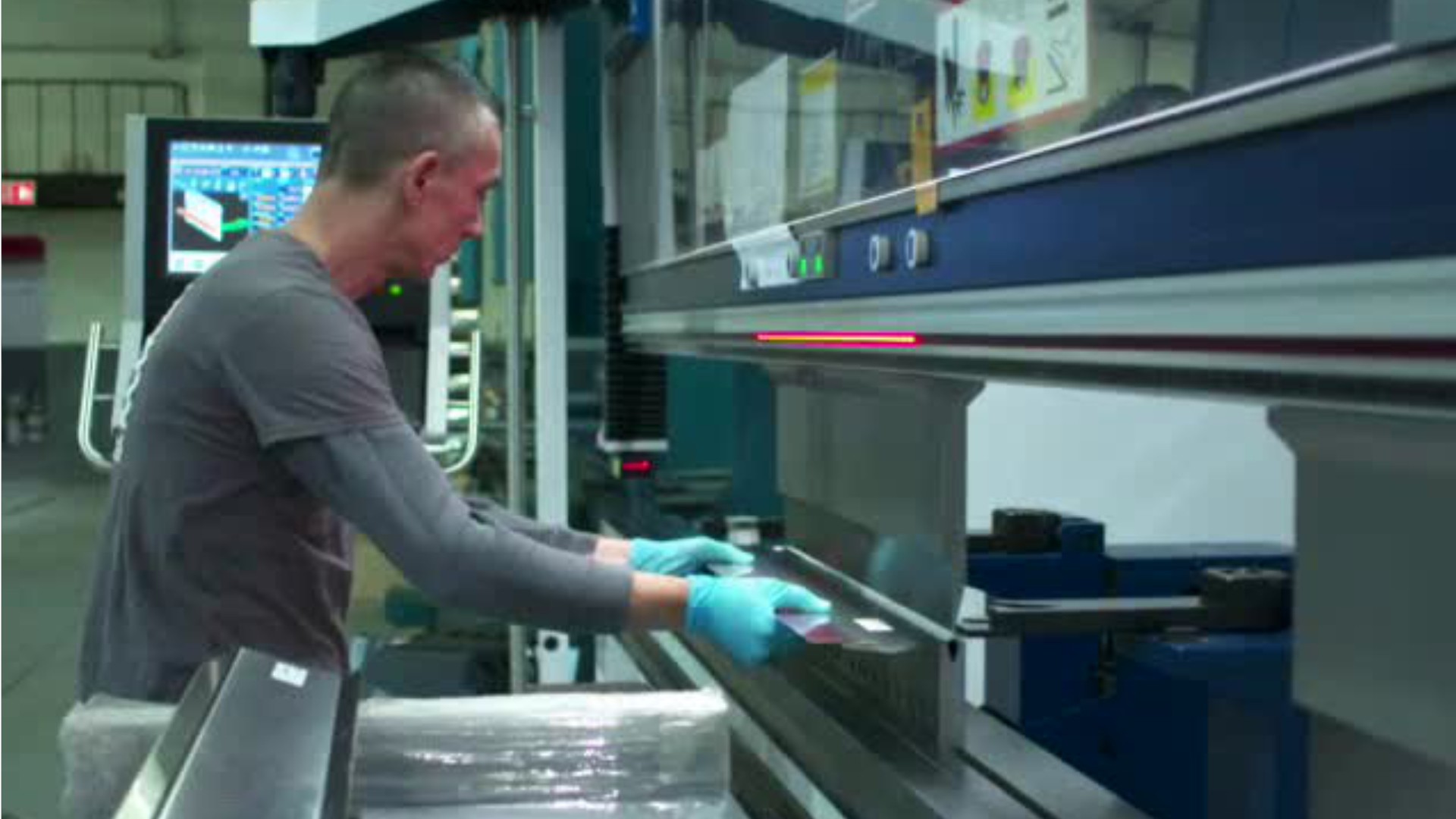
Operate computer-controlled tools, machines, or robots to machine or process parts, tools, or other work pieces made of metal, plastic, wood, stone, or other materials. May also set up and maintain equipment.
Yearly Salary
| High: | $63K |
| Median: | $42K |
| Low: | $28K |
Demand


Core Tasks
- Measure dimensions of finished workpieces to ensure conformance to specifications, using precision measuring instruments, templates, and fixtures.
- Set up and operate computer-controlled machines or robots to perform one or more machine functions on metal or plastic workpieces.
- Mount, install, align, and secure tools, attachments, fixtures, and workpieces on machines, using hand tools and precision measuring instruments.
- Review program specifications or blueprints to determine and set machine operations and sequencing, finished workpiece dimensions, or numerical control sequences.
- Stop machines to remove finished workpieces or to change tooling, setup, or workpiece placement, according to required machining sequences.
- Calculate machine speed and feed ratios and the size and position of cuts.
- Implement changes to machine programs, and enter new specifications, using computers.
- Listen to machines during operation to detect sounds such as those made by dull cutting tools or excessive vibration, and adjust machines to compensate for problems.
- Transfer commands from servers to computer numerical control (CNC) modules, using computer network links.
- Remove and replace dull cutting tools.
- Adjust machine feed and speed, change cutting tools, or adjust machine controls when automatic programming is faulty or if machines malfunction.
- Check to ensure that workpieces are properly lubricated and cooled during machine operation.
- Insert control instructions into machine control units to start operation.
- Maintain machines and remove and replace broken or worn machine tools, using hand tools.
- Monitor machine operation and control panel displays, and compare readings to specifications to detect malfunctions.
- Modify cutting programs to account for problems encountered during operation, and save modified programs.
- Write simple programs for computer-controlled machine tools.
- Enter commands or load control media, such as tapes, cards, or disks, into machine controllers to retrieve programmed instructions.
- Lift workpieces to machines manually or with hoists or cranes.
- Input initial part dimensions into machine control panels.
- Set up future jobs while machines are operating.
- Confer with supervisors or programmers to resolve machine malfunctions or production errors or to obtain approval to continue production.
- Control coolant systems.
- Stack or load finished items, or place items on conveyor systems.
- Clean machines, tooling, or parts, using solvents or solutions and rags.
- Lay out and mark areas of parts to be shot peened and fill hoppers with shot.
- Examine electronic components for defects or completeness of laser-beam trimming, using microscopes.
Technology Skills
Technology
Example
Hot Technology
Tools Used
Tool
Example
Top 10 Knowledge Required
Mathematics
84%
Knowledge of arithmetic, algebra, geometry, calculus, statistics, and their applications.
Production and Processing
81%
Knowledge of raw materials, production processes, quality control, costs, and other techniques for maximizing the effective manufacture and distribution of goods.
Mechanical
77%
Knowledge of machines and tools, including their designs, uses, repair, and maintenance.
Engineering and Technology
66%
Knowledge of the practical application of engineering science and technology. This includes applying principles, techniques, procedures, and equipment to the design and production of various goods and services.
English Language
66%
Knowledge of the structure and content of the English language including the meaning and spelling of words, and rules of composition and grammar.
Education and Training
63%
Knowledge of principles and methods for curriculum and training design, teaching and instruction for individuals and groups, and the measurement of training effects.
Design
62%
Knowledge of design techniques, tools, and principles involved in production of precision technical plans, blueprints, drawings, and models.
Administration and Management
61%
Knowledge of business and management principles involved in strategic planning, resource allocation, human resources modeling, leadership technique, production methods, and coordination of people and resources.
Computers and Electronics
60%
Knowledge of circuit boards, processors, chips, electronic equipment, and computer hardware and software, including applications and programming.
Physics
52%
Knowledge and prediction of physical principles, laws, their interrelationships, and applications to understanding fluid, material, and atmospheric dynamics, and mechanical, electrical, atomic and sub-atomic structures and processes.
Top 10 Skills
Operation and Control
83%
Controlling operations of equipment or systems.
Operations Monitoring
83%
Watching gauges, dials, or other indicators to make sure a machine is working properly.
Critical Thinking
73%
Using logic and reasoning to identify the strengths and weaknesses of alternative solutions, conclusions, or approaches to problems.
Monitoring
73%
Monitoring/Assessing performance of yourself, other individuals, or organizations to make improvements or take corrective action.
Quality Control Analysis
68%
Conducting tests and inspections of products, services, or processes to evaluate quality or performance.
Active Listening
63%
Giving full attention to what other people are saying, taking time to understand the points being made, asking questions as appropriate, and not interrupting at inappropriate times.
Complex Problem Solving
63%
Identifying complex problems and reviewing related information to develop and evaluate options and implement solutions.
Troubleshooting
63%
Determining causes of operating errors and deciding what to do about it.
Equipment Maintenance
60%
Performing routine maintenance on equipment and determining when and what kind of maintenance is needed.
Judgment and Decision Making
60%
Considering the relative costs and benefits of potential actions to choose the most appropriate one.
Top 10 Abilities
Arm-Hand Steadiness
75%
The ability to keep your hand and arm steady while moving your arm or while holding your arm and hand in one position.
Near Vision
75%
The ability to see details at close range (within a few feet of the observer).
Information Ordering
73%
The ability to arrange things or actions in a certain order or pattern according to a specific rule or set of rules (e.g., patterns of numbers, letters, words, pictures, mathematical operations).
Problem Sensitivity
73%
The ability to tell when something is wrong or is likely to go wrong. It does not involve solving the problem, only recognizing that there is a problem.
Control Precision
70%
The ability to quickly and repeatedly adjust the controls of a machine or a vehicle to exact positions.
Reaction Time
70%
The ability to quickly respond (with the hand, finger, or foot) to a signal (sound, light, picture) when it appears.
Hearing Sensitivity
68%
The ability to detect or tell the differences between sounds that vary in pitch and loudness.
Auditory Attention
65%
The ability to focus on a single source of sound in the presence of other distracting sounds.
Finger Dexterity
65%
The ability to make precisely coordinated movements of the fingers of one or both hands to grasp, manipulate, or assemble very small objects.
Manual Dexterity
65%
The ability to quickly move your hand, your hand together with your arm, or your two hands to grasp, manipulate, or assemble objects.
Top 10 Work Activities
Controlling Machines and Processes
92%
Using either control mechanisms or direct physical activity to operate machines or processes (not including computers or vehicles).
Inspecting Equipment, Structures, or Materials
86%
Inspecting equipment, structures, or materials to identify the cause of errors or other problems or defects.
Monitoring Processes, Materials, or Surroundings
82%
Monitoring and reviewing information from materials, events, or the environment, to detect or assess problems.
Identifying Objects, Actions, and Events
81%
Identifying information by categorizing, estimating, recognizing differences or similarities, and detecting changes in circumstances or events.
Communicating with Supervisors, Peers, or Subordinates
77%
Providing information to supervisors, co-workers, and subordinates by telephone, in written form, e-mail, or in person.
Getting Information
77%
Observing, receiving, and otherwise obtaining information from all relevant sources.
Handling and Moving Objects
77%
Using hands and arms in handling, installing, positioning, and moving materials, and manipulating things.
Making Decisions and Solving Problems
77%
Analyzing information and evaluating results to choose the best solution and solve problems.
Evaluating Information to Determine Compliance with Standards
76%
Using relevant information and individual judgment to determine whether events or processes comply with laws, regulations, or standards.
Working with Computers
76%
Using computers and computer systems (including hardware and software) to program, write software, set up functions, enter data, or process information.
Detailed Work Activities
- Measure dimensions of completed products or workpieces to verify conformance to specifications.
- Program equipment to perform production tasks.
- Mount attachments or tools onto production equipment.
- Mount materials or workpieces onto production equipment.
- Install mechanical components in production equipment.
- Study blueprints or other instructions to determine equipment setup requirements.
- Remove products or workpieces from production equipment.
- Watch operating equipment to detect malfunctions.
- Enter commands, instructions, or specifications into equipment.
- Calculate specific material, equipment, or labor requirements for production.
- Remove accessories, tools, or other parts from equipment.
- Replace worn equipment components.
- Monitor lubrication of equipment or workpieces.
- Adjust equipment controls to regulate flow of production materials or products.
- Set equipment controls to meet cutting specifications.
- Monitor equipment operation to ensure proper functioning.
- Maintain production or processing equipment.
- Lift materials or workpieces using cranes or other lifting equipment.
- Confer with others to resolve production problems or equipment malfunctions.
- Stack finished items for further processing or shipment.
- Adjust equipment controls to regulate coolant flow.
- Clean production equipment.
- Load materials into production equipment.
- Draw guide lines or markings on materials or workpieces using patterns or other references.
- Test electrical equipment or systems to ensure proper functioning.
Education
Interests
Realistic
92%
Work involves designing, building, or repairing of equipment, materials, or structures, engaging in physical activity, or working outdoors. Realistic occupations are often associated with engineering, mechanics and electronics, construction, woodworking, transportation, machine operation, agriculture, animal services, physical or manual labor, athletics, or protective services.
Conventional
78%
Work involves following procedures and regulations to organize information or data, typically in a business setting. Conventional occupations are often associated with office work, accounting, mathematics/statistics, information technology, finance, or human resources.
Investigative
41%
Work involves studying and researching non-living objects, living organisms, disease or other forms of impairment, or human behavior. Investigative occupations are often associated with physical, life, medical, or social sciences, and can be found in the fields of humanities, mathematics/statistics, information technology, or health care service.
Enterprising
21%
Work involves managing, negotiating, marketing, or selling, typically in a business setting, or leading or advising people in political and legal situations. Enterprising occupations are often associated with business initiatives, sales, marketing/advertising, finance, management/administration, professional advising, public speaking, politics, or law.
Artistic
17%
Work involves creating original visual artwork, performances, written works, food, or music for a variety of media, or applying artistic principles to the design of various objects and materials. Artistic occupations are often associated with visual arts, applied arts and design, performing arts, music, creative writing, media, or culinary art.
Social
15%
Work involves helping, teaching, advising, assisting, or providing service to others. Social occupations are often associated with social, health care, personal service, teaching/education, or religious activities.
Work Values
Support
72%
Occupations that satisfy this work value offer supportive management that stands behind employees. Corresponding needs are Company Policies, Supervision: Human Relations and Supervision: Technical.
Independence
48%
Occupations that satisfy this work value allow employees to work on their own and make decisions. Corresponding needs are Creativity, Responsibility and Autonomy.
Relationships
43%
Occupations that satisfy this work value allow employees to provide service to others and work with co-workers in a friendly non-competitive environment. Corresponding needs are Co-workers, Moral Values and Social Service.
Working Conditions
43%
Occupations that satisfy this work value offer job security and good working conditions. Corresponding needs are Activity, Compensation, Independence, Security, Variety and Working Conditions.
Achievement
34%
Occupations that satisfy this work value are results oriented and allow employees to use their strongest abilities, giving them a feeling of accomplishment. Corresponding needs are Ability Utilization and Achievement.
Recognition
34%
Occupations that satisfy this work value offer advancement, potential for leadership, and are often considered prestigious. Corresponding needs are Advancement, Authority, Recognition and Social Status.