Social Media and Student Mental Health: Understanding the Risks and Taking Control
SaveExplore how social media impacts high school and college students' mental health-and learn how to build healthier digital habits.
By Mari Whitmore — June 8, 2025
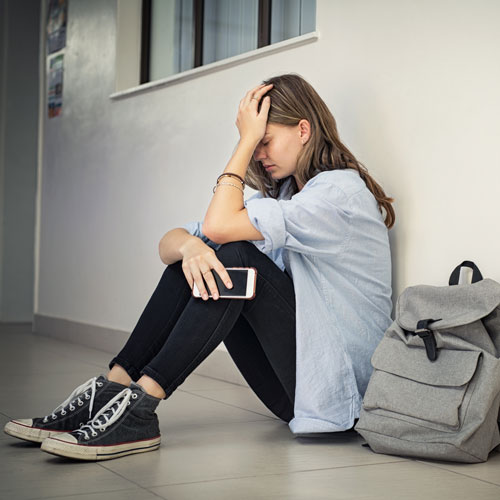
In the digital age, social media has become an integral part of the lives of both high school and college students. Teens and young adults join social media for many reasons: connecting with friends, meeting new people with shared interests, keeping up with world trends and events, and sharing their voices and talents. According to a 2024 Pew Research Center report, 95% of teens use YouTube, 66% use TikTok, and over 60% use Instagram and Snapchat. Meanwhile, nearly 90% of college students report using at least one social media platform daily. While social media allows young people to build connections and express creativity, it also carries risks to mental and emotional health.
This article explores social media's effects on high school and college-age users and offers insight into the relationship between social media usage and mental well-being.
Social Media Risks
As students gain independence, it becomes increasingly important to self-regulate online behavior and understand the risks and benefits associated with social media.
Privacy
Social media use can put you at risk for identity theft, privacy breaches, and exposure to harmful content. While it may seem normal to share your location or daily activities, always be cautious about the personal information you post. Using privacy settings and avoiding oversharing are critical steps-especially for minors.
Cyberbullying
Cyberbullying continues to be a serious concern. In 2023, the CDC reported that 16% of high school students experienced electronic bullying, with even higher rates among female and LGBTQ+ students. Victims often report increased stress, anxiety, and depression. If you or someone you know is being cyberbullied, speak with a trusted adult or mental health professional.
Mental Health
Heavy social media use has been linked to increased depressive symptoms and anxiety among teens and young adults. A 2023 American Psychological Association report found that teens who spend more than three hours a day on social media are twice as likely to experience mental health issues such as anxiety and depression. Nearly 50% of teen girls in a 2022 Pew study said social media made them feel overwhelmed by drama, and many also reported feeling worse about their bodies.
Social comparison, curated profiles, and the pressure to stay constantly connected can contribute to low self-esteem, body image concerns, and unhealthy coping mechanisms. Continuous scrolling can also overstimulate dopamine receptors, increasing the risk of dependency.
Social Media Addiction
Social media addiction is on the rise. According to a 2023 Gallup survey, over 50% of college students say they feel "addicted" to social media, and many report negative academic and emotional consequences. Designed to capture attention, social media platforms foster dependence through a steady stream of notifications, content, and validation.
Signs of addiction include:
- Compulsive checking
- Mood swings when offline
- Increasing time spent online
- Difficulty focusing on school or personal responsibilities
Self-Evaluation
To assess your relationship with social media, try taking a short break-removing apps for a few days to observe how it affects your mood, focus, and well-being. If the break proves difficult or leads to withdrawal symptoms, you may benefit from reducing your usage or seeking support.

Mari Whitmore
Mari Whitmore recently graduated from a tiny private college in the middle of beautiful Wyoming. She spends her time traveling, adventuring in nature, writing, and working as a barista and bartender. Recently, Mari relocated to the gorgeous hill country of Central Texas. In her free time, she loves to hike, paddleboard, read, paint, watch movies, and gather with friends and family.Articles & Advice
Featured Articles from The SAGE Scholars Benefit

Tips and Tricks for Effective Studying

Understanding College Lingo